Apala Music
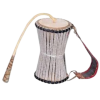
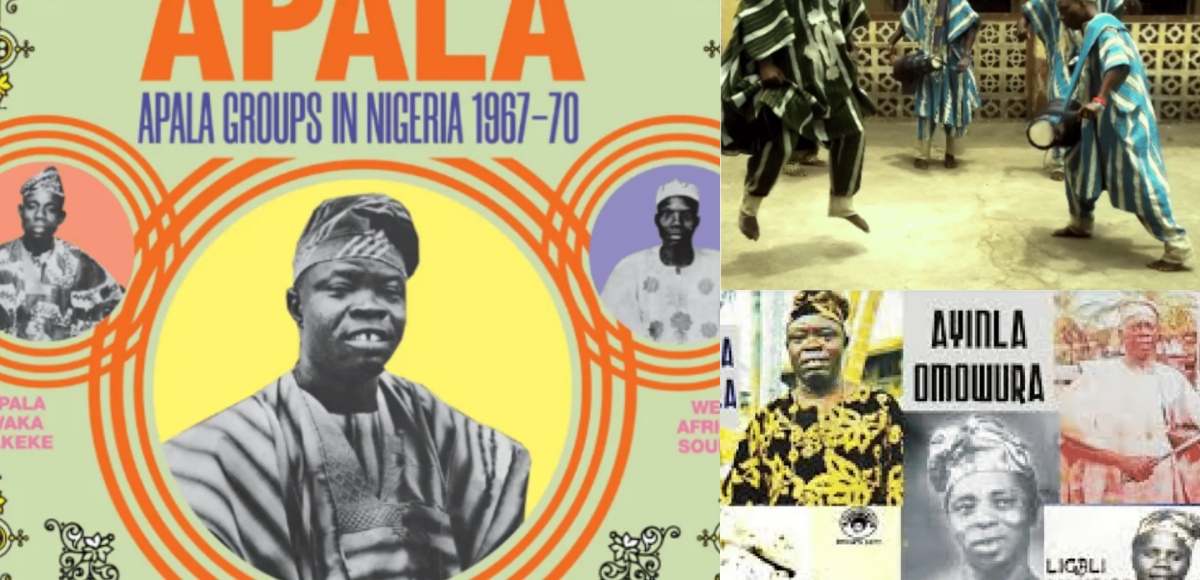
Apala is a popular, percussion-based Nigerian Yoruba music genre originating in the late 1930s, deeply rooted in Islamic tradition and traditionally played to wake people during Ramadan. It is known for its intense rhythmic structure, featuring talking drums (gangan), shaker (sekere), bell (agogô), and thumb piano (agidigbo).
Key details about Apala music include:
- Origins: Developed from “Wéré” music as a form of cultural expression during British colonial rule.
- Key Artists:
Haruna Ishola is considered the pioneer and most popularizer of the genre, with others like Ayinla Omowura and Ligali Mukaiba shaping its legacy.
-
Characteristics: It involves highly percussive rhythms, nasal vocals, and social commentary, serving both religious and secular purposes.
-
Evolution: While historically significant, it has influenced modern Nigerian music, including “Apala Pop” and trap, with artists like Terry Apala and Musiliu Haruna Ishola—son of Haruna Ishola—keeping the style alive.
Apala’s popularity remains high among the Yoruba Muslims, known for its intricate storytelling and powerful, hypnotic percussion.
Leave a Comment